


How to Choose the Right Technology for Your Hotel–A Comprehensive Guide
 By Duve Team
Stay updated on the latest Guest Experience and Hospitality Tech updates.

Technology plays a very important role when it comes to shaping guest experiences, optimizing operations, and driving business growth for hotels. From booking platforms and property management systems to guest engagement tools and smart room features, the options for hotel technology are vast and diverse. However, choosing the right technology that is suitable for your hotel can be challenging. In this comprehensive guide, we’ll dive into the importance of technology for hotels, the types of technology hotels are utilizing, and how to determine what technology solutions are best suited for your property.
Technology has become more than just convenience—it’s become an everyday necessity. People utilize technology everyday throughout their daily lives in order to provide ease. Here are some key reasons why technology is essential for hotels:
Improved Guest Experiences: Technology enables hotels to offer personalized and seamless guest experiences, from online booking platforms and mobile check-in/out to in-room amenities and information controlled via smartphones.
Operational Efficiency: Technology automates manual hotel tasks and streamlines operations, which helps hotels optimize staff productivity, reduce costs, and improve overall efficiency.
Competitive Advantage: Hotels that implement the latest technology gain a competitive edge by differentiating themselves from competitors within the hospitality industry and making it even more simple for guests to enjoy the hotel facilities, while staying ahead of industry trends.
Data-driven Insights: Technology platforms provide valuable data and analytics that enable hotels to gain insights into guest preferences, booking patterns, and operational performance, empowering them to make informed decisions and drive business growth.

There is a wide range of technology solutions that exist in hotels. This technology caters to different aspects of hotel operations and guest experiences. Here are some of the more common types of technology that hotels use:
Property Management Systems (PMS): PMS platforms are the backbone of hotel operations, managing reservations, check-ins/outs, room assignments, billing, and more. The more advanced PMS systems implemented today help hoteliers create custom experiences for their guests based on patterns, past behavior, and collected guest data over time.
Online Booking: Online booking allows guests to book rooms directly through the hotel’s website or mobile app, providing a seamless booking experience and reducing reliance on third-party booking channels. Some booking tools allow guests to check-in/out, and book upgraded amenities ahead of time so that there is no wasted time at the facility.
Guest Engagement Tools: Guest engagement platforms enable hotels to interact with guests before, during, and after their stay, through personalized communication, feedback collection, and loyalty programs. By providing guests with everything they need via their preferred communication method hoteliers cut down repetitive staff tasks, and exceed guest expectations.
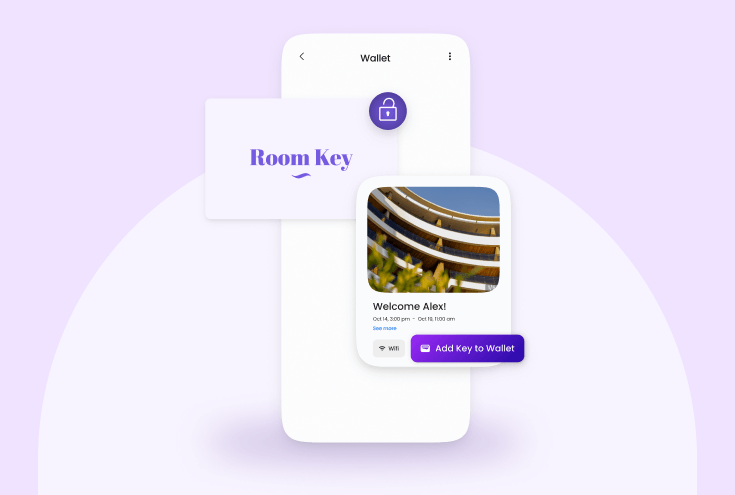
Smart Room Features: Smart room technology includes amenities such as smart thermostats, lighting controls, and entertainment systems that can be controlled via smartphones or voice commands, enhancing guest comfort and convenience. These systems might be things they already have at home, and can now utilize at your hotel making their stay feel even more at home.
Revenue Management Systems: Revenue management systems use data analytics and pricing algorithms to optimize room rates, maximize revenue, and increase occupancy levels. This way hotel pricing is always at the most competitive and smart rate.

When choosing which technology is right for your hotel you should look at various factors– this includes things like your property size, target market, budget, and specific operational needs. Here are some things to look at to help you determine which technology solutions are best suited for your hotel:
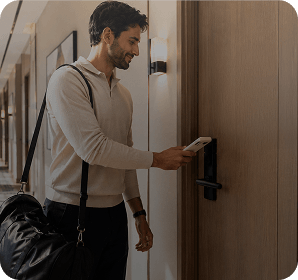
Assess Your Needs: Identify the pain points and inefficiencies in your current operations and determine where you are lacking and what technology can be implemented to help aid these inefficiencies. For example if your front desk always has long lines and guests are constantly needing to wait a long time to check-in or out, you should implement a contactless check-in/out system that allows guests to remotely check-in and free up the staff time while cutting down the lines at the front desk.
Research Options: It’s always good to explore the various technology vendors and platforms available in the market, considering factors such as features, scalability, integration capabilities, and customer support. After doing the research you’ll have a better understanding of what platform will work best for you.
Consider Your Budget: Evaluate the costs associated with implementing and maintaining technology solutions, taking into account upfront expenses, ongoing fees, and potential return on investment. Technology can seem like an expense at first, but if implemented correctly you can actually increase your bottom line by cutting out old fashion operations.
Seek Feedback: Consult with industry peers, hotel consultants, and technology experts to gather insights and recommendations on the best technology solutions for your specific needs. See what worked for others and how it might also work for you.
Demo and Trial: Take advantage of free demos, trials, and pilot programs offered by technology vendors to test their solutions and assess their suitability for your hotel before making a commitment. This not only helps you feel more comfortable when committing to a change, but also aids in the learning curve that might occur when initially trying the new technology.

One technology platform that stands out within the hospitality industry is Duve– A platform offering a suite of tools that cater specifically to the needs of hotels, vacation rentals, and hostels. From tailored online check-in flows to a web-based guest app featuring relevant content in the guests’ preferred language, to personalized upsells that maximize revenue potential and guest satisfaction, Duve offers a fully customized and digital journey for each guest. By utilizing Duve hoteliers can revolutionize hotel operations and guest experiences. Here are some key features and benefits of Duve:
Overall, the technology you implement at your hotel can significantly influence your ability to meet guest expectations, optimize operations, and grow revenue. By understanding where your hotel can improve, and finding the most strategic technologies to help make these improvements you can see your property thrive. Integrating new technologies like Duve, can influence how you stand out from the competition and move toward a modernized and exceptional guest experience.
How do I determine which technology solutions are right for my hotel?
To choose the right technology for your hotel, assess your operational needs, research available options, consider your budget, seek feedback from industry experts, and take advantage of demos and trials offered by technology vendors.
What should I consider when integrating new technology with existing systems?
When integrating new technology, it’s crucial to ensure compatibility and seamless communication between systems. This reduces the risk of data silos and operational inefficiencies, enhancing both guest experience and operational effectiveness.
How can technology improve guest experiences in hotels?
Technology enables hotels to offer personalized experiences, streamline check-in/out processes, provide convenient booking options, offer smart room features for guest comfort, and collect feedback to continuously enhance services.
Should I look for technology that implements analytics when selecting hotel technology?
Yes, Analytics is vital in selecting hotel technology as it provides insights into guest behavior, preferences, and revenue opportunities. This data helps hoteliers make better informed decisions about which solutions can best meet the needs of both the hotel and its guests.