

Summer 2026 Hotel Strategy: Campaigns, Experiences & Revenue Ideas That Actually Work
 By Duve Team
By Duve Team
By Duve Team Stay updated on the latest Guest Experience and Hospitality Tech updates.
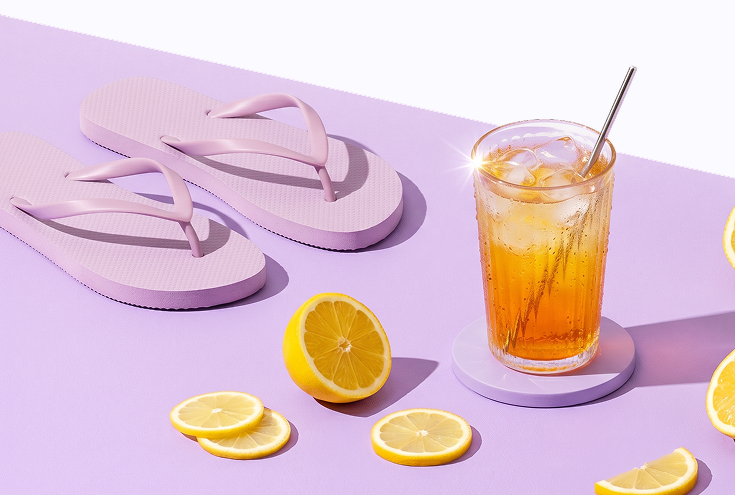
Summer 2026 is shaping up to be another high-demand season for global travel. According to recent industry data, international tourism has rebounded to nearly pre-pandemic levels, with more than 1.4 billion travelers globally, a clear sign that demand remains strong.
Global tourism recovery insights
But while occupancy remains strong, the rules of the game have changed.
Today’s guests are not just booking a place to stay. They are booking experiences, personalization, and convenience. At the same time, hotels are still operating under pressure.
This creates a new reality for hoteliers. Summer is no longer just about filling rooms. It is about maximizing the value of each stay during the most competitive travel period of the year.
Summer is not one campaign. It is a series of moments. The hotels that stand out are the ones that pick the right moment and build something real around it.
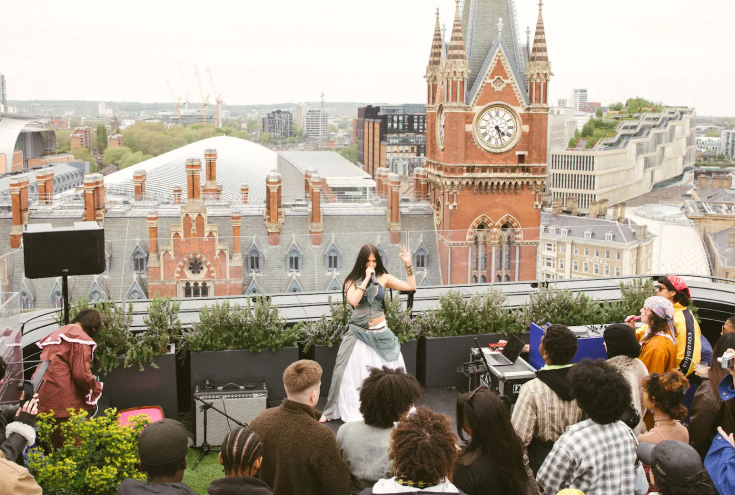
At The Standard, Pride is not a weekend. It is a month-long business driver.
Across June, the hotel programs multiple spaces at once. The rooftop, Le Bain, runs recurring DJ nights with ticketed entry, often selling out and drawing a consistent crowd week after week. Inside the hotel, there is a rotating calendar of events, from comedy nights to themed performances, all tied back to Pride. Food and beverage is treated the same way, with menus and cocktails adapted to feel part of the moment rather than static.
What makes this work is how deliberate it is.
The programming is not random. It is repeatable. Guests know that every week there will be something happening, and locals know they can come back more than once. That consistency matters just as much as the events themselves.
It is also outward-facing. The hotel is not trying to keep this experience contained to guests. It is designed to bring people in, which keeps venues full and creates energy on property throughout the month.
That combination drives three outcomes at once:
This is what it looks like when a hotel turns a cultural moment into sustained demand and sustained revenue, not just a one-off activation.
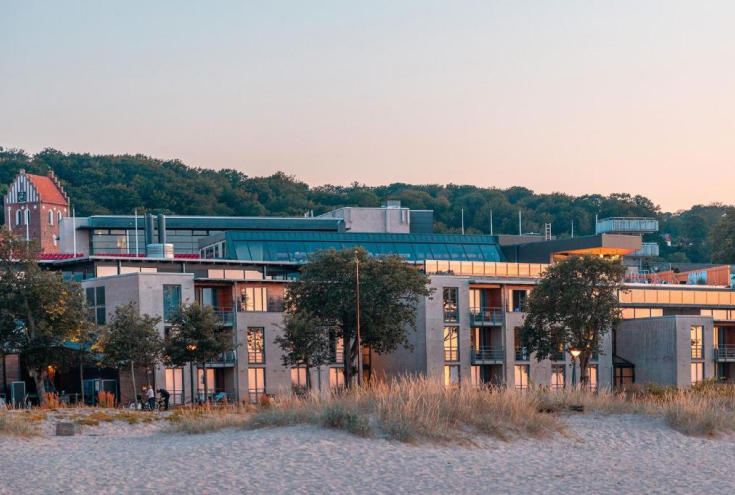
Hôtel Skansen takes a completely different approach. Less volume, more structure.
For Midsummer, the hotel does not try to compete on events. Instead, it builds the entire stay around the celebration.
Guests typically book 2 to 3 night packages across the weekend. Within that, the hotel includes traditional Midsummer meals, access to local celebrations like maypole dancing, and time on property designed around the seaside setting, spa, and slower pace of the holiday.
The key detail is how cohesive it feels.
Guests are not booking a room and then figuring everything else out. The hotel has already connected the experience, from meals to activities to downtime. That removes a huge amount of friction, especially for international travelers who may not know how to access these traditions on their own.
From a revenue perspective, this structure is efficient because it:
It is a quieter model than something like Pride, but it is just as intentional.
Instead of creating more touchpoints, it creates a stronger, more valuable core experience.
Summer changes the guest mix. More families, longer stays, and a different set of expectations.
Built for Families, Not Adapted to Them: Martinhal Family Hotels & Resorts
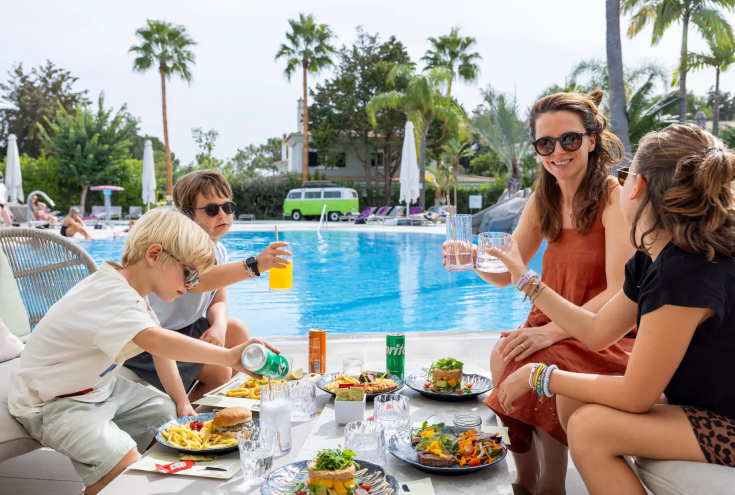
At Martinhal, families are not a secondary audience. They are the starting point.
During summer, the structure of the day is clear. Kids’ clubs run consistently, broken down by age group, with activities scheduled from morning through evening. These are not passive spaces. They are fully programmed, with sports, creative sessions, and supervised play designed to keep children engaged for real stretches of time.
At the same time, the hotel removes friction for parents. Services like the baby concierge allow guests to pre-arrange essentials, which means less stress on arrival and less need to leave the property during the stay.
This has a direct impact on how guests behave.
Families stay longer when there is enough built-in structure to fill multiple days. They spend more on property when children are occupied and parents have time to use the spa, dine, or relax. And they rely less on external options, which keeps revenue inside the hotel.
What Martinhal gets right is not just the family positioning. It is the operational detail behind it:
The important point here is that this is not about adding a few family-friendly touches. It is about designing the entire experience around how families actually travel in summer.
Some hotels win by connecting to the destination. Others win by becoming the destination.
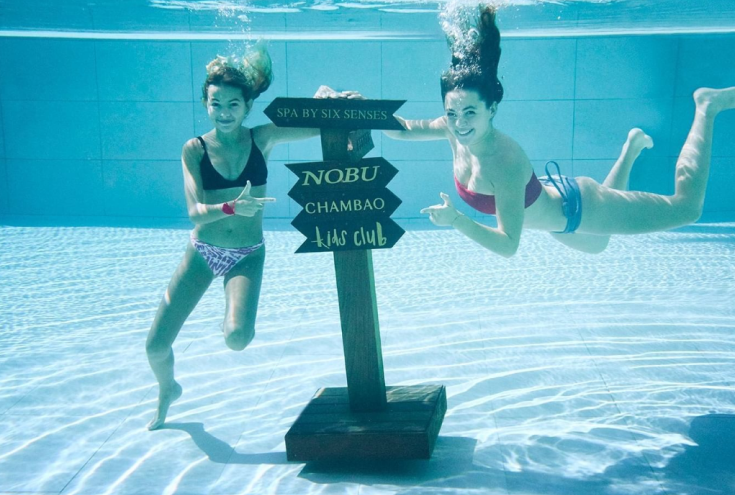
At Nobu Ibiza Bay, the strategy is built around flow.
Guests are not pushed from one experience to another. They move naturally through the day.
Breakfast leads into pool or beach time. That transitions into spa or wellness. Late afternoon becomes drinks. Evening moves into dinner and nightlife. Each step is easy to access and requires very little planning from the guest.
The property is designed to support this. Multiple dining options, strong beach and pool areas, a well-positioned spa, and social spaces that work at different times of day all contribute to keeping guests on-site.
What makes this especially effective in summer is timing.
Guests are spending more hours at the hotel. They are more open to spontaneous decisions. And they are more likely to move between experiences if it feels effortless.
That is where the revenue builds. Not from a single upsell, but from multiple smaller decisions across the day.
This model works because it captures:
It also creates opportunities beyond overnight guests. Beach clubs, restaurants, and bars bring in external traffic, which adds another layer of revenue during peak season.
These hotels are doing very different things.
But they are all built on the same idea.
They are not running generic summer campaigns. They are building around how guests actually behave in summer.
Guests are more social. They spend more time on property. They are more open to experiences. And they are less willing to deal with friction.
The hotels that recognize that, and design around it, are the ones that capture the most value.
Summer is the most concentrated opportunity of the year.
The hotels that outperform are not doing more. They are doing the right things at the right time.
They build around real moments. They design experiences that feel seasonal. And they make it easy for guests to move from one experience to the next without thinking too much about it.
Because ultimately, summer success is not just about occupancy.
It is about making the most of the moment when guests are most engaged, most social, and most willing to spend.