



Booking.com stops sharing guest phone numbers with hotel systems
 By Duve Team
By Duve Team
By Duve Team Stay updated on the latest Guest Experience and Hospitality Tech updates.
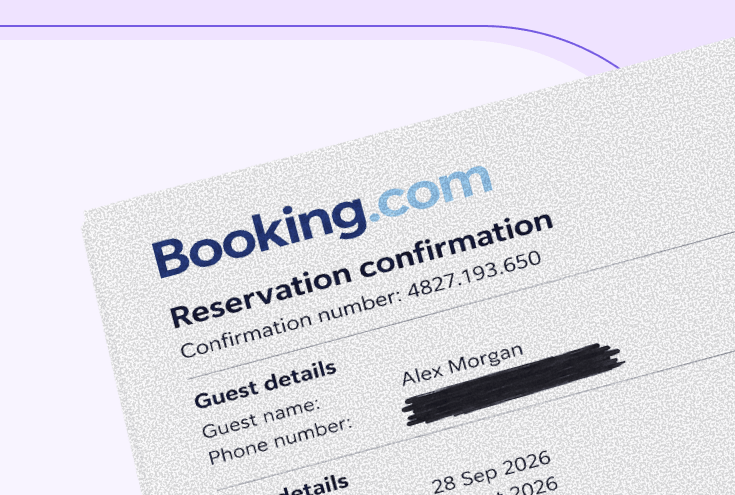
From 28 September 2026, Booking.com no longer includes guest phone numbers in the reservation data it sends to connected hotel systems. The change applies to all properties and covers new reservations, modifications and cancellations. Numbers already stored are not being removed.
For most hotel teams the first question is practical. A guest is arriving on Thursday, the phone number field is empty, and the WhatsApp welcome that usually goes out three days before now has nowhere to go.
The second question takes longer to surface, and it matters more. How much of your guest relationship depends on what a booking channel chooses to pass along?
A reservation brings someone to your property. A relationship is something else, and it does not arrive in the booking file. It starts when the guest has a reason to talk to your hotel directly.
Anything that assumed a filled in phone number is now worth checking. The automated WhatsApp welcome. The SMS with parking and arrival instructions. The call to sort out a 1am check-in. None of these fail loudly. They just quietly stop reaching people.
Booking.com still supports guest conversations through its messaging tools.
Most hoteliers already know the feeling. An email address arrives on the reservation, it works, but is not the guest’s email. It is an alias the OTA controls, and it stops working on the OTA’s schedule. Duve’s support guidance documents which aliases belong to which channel.
So the gap between getting a booking and being able to get guest data is not new. The phone number change just made it wider, and harder to ignore.
The pattern runs past contact fields into the conversations themselves. Booking.com’s messaging documentation describes controls that remove unapproved links. Expedia Group’s Rapid Property Message Center documentation says messages identified as promoting direct or off-platform bookings are suppressed. Different policies, different platforms, same underlying shape: the channel sets the limitations of the conversation.
OTAs are good at what they do. They put your property in front of people who would never have found it. A hotel can take that distribution and still own everything that happens next.
Nobody arrives with lower expectations because they booked on an app. They still want to know where to park, whether they can drop bags at 11, and whether anyone knows it is their anniversary.
Here is the part that gets skipped. You cannot build that relationship on details you do not have, and you cannot ask for those details through a channel you cannot reach. Which means a meaningful relationship with an OTA guest depends on one specific capability: online check-in that integrates directly with the OTA, so the invitation can reach the guest inside the channel where the booking happened.
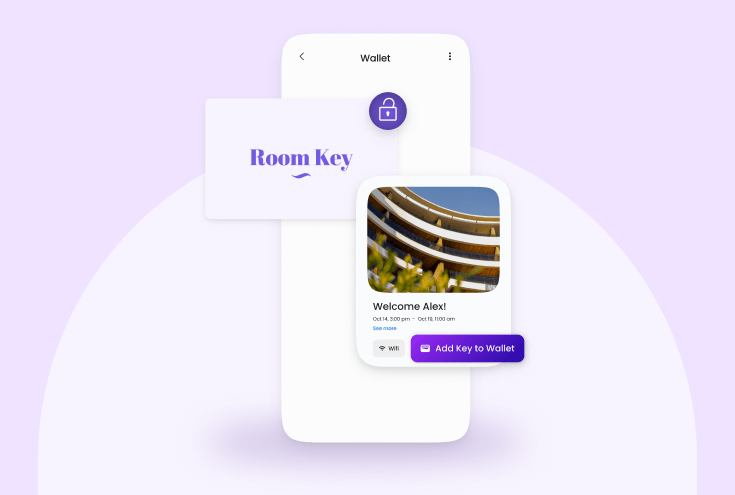
Online check-in gives guests a natural reason to connect before arrival. Beyond completing registration, they can share their preferences and needs: how they plan to arrive, what would make their stay more comfortable and which services interest them. Your team can use those answers to prepare a more personal welcome.
For the hotel, this creates a repeatable way to gather information directly from the person arriving. An actual email address and phone number become part of the guest record because the guest supplied them. Preferences add context that a reservation alone may never provide.
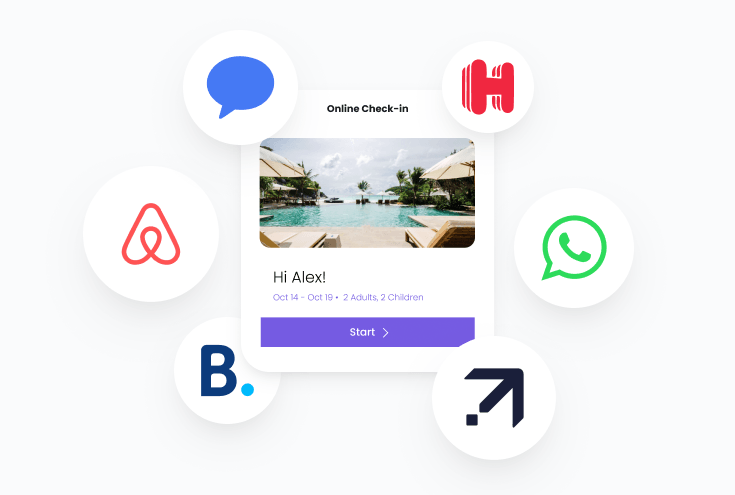
Every hotel that runs online check-in has a completion rate. Very few have looked at it split by booking source, and that split is where the story is. Direct bookers complete at a high rate because you have their real email and phone. OTA guests complete at a much lower rate, if phone numbers as a data insight is taken off the table.
So the question to ask any provider is not whether they do online check-in. It is how the invitation reaches a guest whose contact details you do not have. There are two routes that work, and the best setups run both.
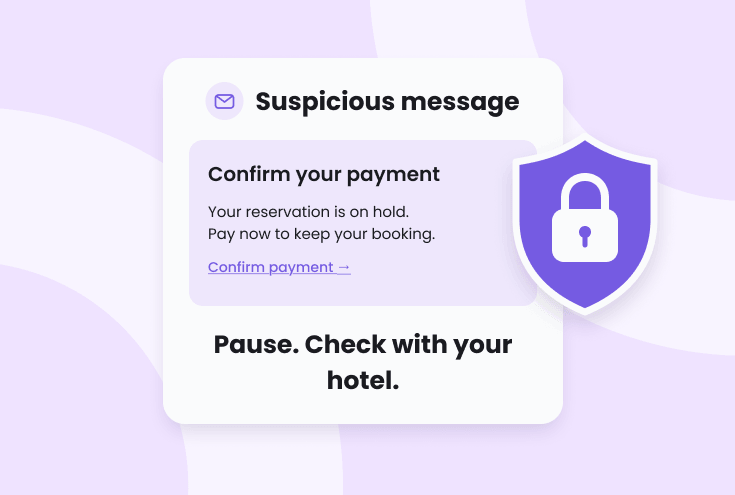
Route one: the masked email, made deliverable. You can send to the OTA alias, but Booking.com sits in the middle and filters. Messages from a sender it does not recognise can be filtered, stripped of their links, or blocked outright. The fix is two steps, and most properties have done neither. You can work with your OCI provider to verify your sending domain, then approve that exact sender address and your guest-facing link domains. A check-in link that survives the filter is worth more than a dozen that get stripped. However, open and conversion rate from this type of communication is typically weaker.
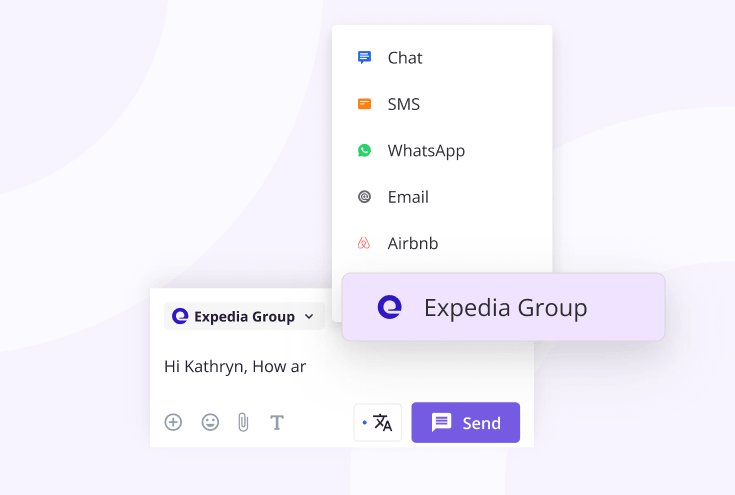
Route two: the OTA’s own messaging thread. If your provider integrates directly with Booking.com messaging and other OTAs, the invitation appears in the conversation the guest is already having about their stay. No deliverability question, no spam folder, no unfamiliar sender. Just a message where they are already looking. Scheduled messages can go out through these integrations automatically, which means this works at volume rather than one reservation at a time.
Both routes end in the same place. The guest completes check-in, supplies a real email and phone number, says what they need, and all of it writes back into the PMS record.
For hotels using Duve, building a relationship with guests has never depended on what OTAs choose to share.
Through direct integrations with Booking.com, Expedia, Airbnb and other major OTAs, you can invite guests to check in online. As they complete check-in, they share their email, phone number and preferences, all synced directly to your PMS.
Both invitation routes are covered. Duve can get your sender address and link approved, so email to a masked alias lands and stays clickable. Duve’s Booking.com integration connects messages with the Booking.com inbox, so the invitation can go out inside the OTA thread. Scheduled messages handle the timing.
Your team gets the guest’s actual email and phone number, plus a better understanding of how to make their stay feel extra special.
They book through an OTA. The relationship is with your hotel.
Most hotels track one blended online check-in number, which is exactly the number that hides this problem. Five metrics make the gap visible and show whether you are closing it.
Properties running a genuine multi-channel pre-arrival flow, reaching guests through OTA messaging, email and QR codes to scan, rather than one route, tend to land at the top of that 40 to 60% band and above it. Properties relying on email alone tend to sit at the bottom.
Then test the journey rather than trusting the dashboard. Take a real OTA reservation with no phone number and a masked email. Does that guest get the invitation? Can they open it and finish? Does what they typed appear in the right PMS record? Do this for each major channel. An automation marked “sent” is not the same as a message that arrived.
One last thing, and it is the one that gets hotels in trouble. Treat marketing permission separately. A guest giving you a phone number so you can coordinate their arrival has not agreed to your newsletter. UK ICO guidance draws a clear line between service communications and direct marketing. Apply the rules that cover your property and your guests.
Booking.com’s change is a good reason to look again at where your guest relationship actually begins. Hotels that create a genuinely useful pre-arrival moment end up with the details they need, and with guests who arrive feeling expected rather than processed.
That is the whole opportunity. Not working around what the OTA withholds, but making the first conversation one your hotel owns.