


Wallet-Based Hotel Keys: The Next Step in a Frictionless Guest Journey
 By Duve Team
Stay updated on the latest Guest Experience and Hospitality Tech updates.

For years, the hotel key has barely changed. Plastic cards replaced metal keys, mobile keys arrived in brand apps, yet the experience has often stayed fragmented. Guests download an app they use once, forget their password, queue anyway at reception, and staff still spend a big part of every shift fixing “my key doesn’t work.”
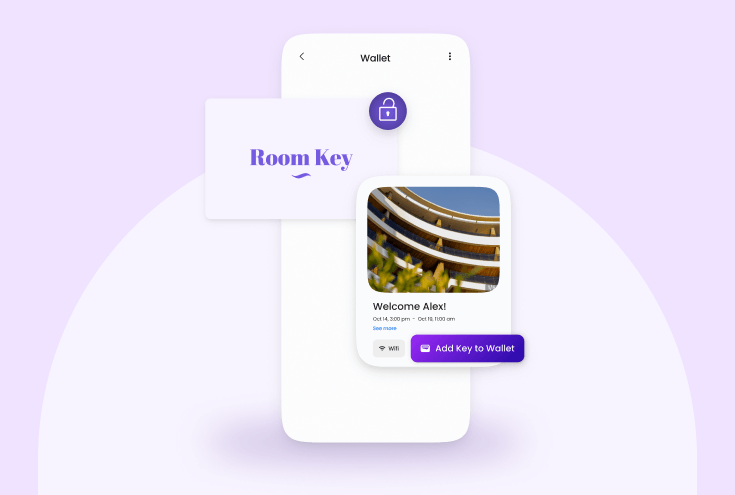
Wallet-based hotel keys are the next evolution. Instead of living in yet another app, the room key sits inside Apple Wallet or Google Wallet, right next to the cards and passes guests already use every day. For hotels, this is not just a shiny new feature. It is a powerful way to remove friction from the guest journey and unlock new efficiencies for teams.
This article looks at what wallet-based keys are, why they matter, and how they fit into a modern, end-to-end digital guest journey.
In simple terms, wallet-based hotel keys are digital room keys that live inside a guest’s smartphone wallet app, such as Apple Wallet or Google Wallet. Guests add the key to their wallet with a single tap, then use their phone or smartwatch to unlock their room and other access-controlled areas.
It helps to distinguish three stages hotels have already gone through:
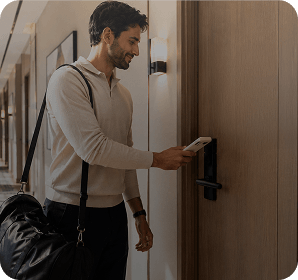
The biggest difference for guests is friction. There is no need to search app stores, remember passwords, or navigate an unfamiliar interface. The key appears in a place they already know and trust, with a familiar interaction: tap to unlock, just like tap to pay.
For hotels using a digital guest journey platform like Duve, wallet-based keys become one more touchpoint in a flow that already includes online check in, digital registration, payments and tailored communication.
Wallet-based keys are not just a new way to open doors. They answer a set of expectations that today’s guests already have from airlines, ride-sharing and banking apps.
The ideal arrival is simple: the guest walks into the lobby and can go straight to their room if they choose.
When check in, ID verification and payment are handled in advance through a digital pre-arrival flow, the room key can be issued before the guest reaches the property. The wallet key becomes the final step.
The result:
Guests already store credit cards, boarding passes and event tickets in their phone wallets. In fact, 57% of adults in the US use digital wallets, and by 2029 global usage is expected to reach 68%. That means:
A wallet-based room key benefits from that same trust. Access is protected by the device itself through Face ID, Touch ID or a passcode. Compared to plastic cards that can be lost or cloned, a phone-based key often feels safer and more personal.
Wallet keys are designed for quick access:
In short, the key meets the guest where they already are: on their phone, on their wrist and in their wallet.
Wallet passes are not generic. They can carry the hotel’s name, logo and colors, which means every time the guest opens their wallet to pay for something, your property appears alongside their most used cards.
For lifestyle, boutique and luxury properties, this is a subtle but powerful way to reinforce a premium brand presence throughout the stay.
Wallet-based keys work best when they are not treated as a standalone project, but as part of a connected guest journey that starts days before arrival and continues after check out.
Below is how they map to each stage.
The journey typically starts once the booking is created. A platform like Duve can trigger a pre-arrival flow that:
Once the required steps are complete, the system can pre-authorize access and prepare the wallet key. At this point, your guest communication hub – for example Duve’s communication solution – can send a clear message:
“Your room will be ready at 15:00. You can now add your room key to Apple Wallet / Google Wallet.”
This is also an ideal moment to suggest upsells such as early check in, late check out or room upgrades, before the key is issued.
On the day of arrival, wallet-based keys help the property deliver a calm, predictable experience:
Because guests no longer depend on a plastic card, lines and bottlenecks shrink, particularly during peak arrival times and after large events.
Once guests are used to opening their door with their phone, they are more willing to engage with other digital touchpoints.
Through a guest app or web-based guest portal – such as the Duve guest app – you can:
The wallet key becomes an anchor to this ecosystem. Guests rely on it multiple times a day, and it is closely linked to the same digital journey where your offers and communication live.
At check out, the wallet key can be:
From there, digital post-stay flows can:
What started with a simple “add to wallet” key becomes a full lifecycle from pre-arrival to post-stay, captured in a single, connected guest profile.
For hotel leaders, the interest in wallet-based keys is not only about guest satisfaction. It is also a way to simplify daily operations and futureproof the tech stack.
When a significant share of guests use wallet keys:
Teams can redirect their time to higher-value interactions: resolving complex issues, making personalized recommendations or supporting VIPs and groups.
Physical keys are not just a minor line item. They involve:
Shifting part of your guest base to wallet keys reduces ongoing costs and supports sustainability goals, particularly for brands that have committed to reducing plastic use and waste.
Wallet-based keys are generated digitally and tied to specific reservations, rooms and timeframes. This gives hotels:
Instead of reissuing multiple physical cards, revoking or changing digital credentials is faster and less error-prone.
To support wallet-based keys at scale, hotels typically need:
In many cases, preparing for wallet keys is the catalyst for replacing fragmented legacy systems with an API-first, integrated stack that can support future innovation.
Moving to wallet-based keys is a strategic project that touches hardware, software and operations. A simple checklist can help you prepare.
Wallet-based keys only work smoothly if your systems can talk to each other. You will need:
A solution like Duve, sitting between your PMS and your access control partners, can orchestrate these workflows without forcing you into a monolithic stack.
Technology alone is not enough. Guests need clear instructions at the right moments:
This is where a centralized communication hub is critical. Consistent, branded messages across email, SMS, WhatsApp and web ensure that guests understand the benefits and trust the process.
Even with high adoption, there will always be exceptions:
Documented fallback flows – for example, issuing a physical card in specific cases – ensure wallet keys enhance your operation rather than becoming a rigid requirement.
Finally, decide how you will measure success:
These metrics help you iterate on your guest journey, refine communication and build a business case for future investments.
Wallet-based hotel keys are not a standalone trend. They are part of a broader shift toward frictionless, personalized and digital-first stays.
The hotels that will benefit most are those that:
At Duve, we see wallet-based keys as one more step toward a unified guest experience: from the first message after booking, through check in and room access, to in-stay services and post-stay loyalty.
If you are exploring wallet-based keys or planning your next phase of digital access, now is the right time to map your guest journey, operational processes and system architecture. The technology is moving quickly. Being prepared means that when you are ready to switch on wallet keys, your guests and your teams will experience them as what they should be: simply the next step in a truly frictionless stay.